Badger Biology Basics: A Beginner's Guide to British Badgers
A badger is easy to recognise and surprisingly hard to know. You may have caught the black-and-white snout at the edge of a sett, or found a heap of fresh spoil on a woodland bank and wondered who was living there. What follows is a plain guide to the animal itself: what it eats, how it lives with others, how long it survives and how the seasons shape its year. Get these basics straight and everything else about badger conservation starts to make sense.
What a badger actually is
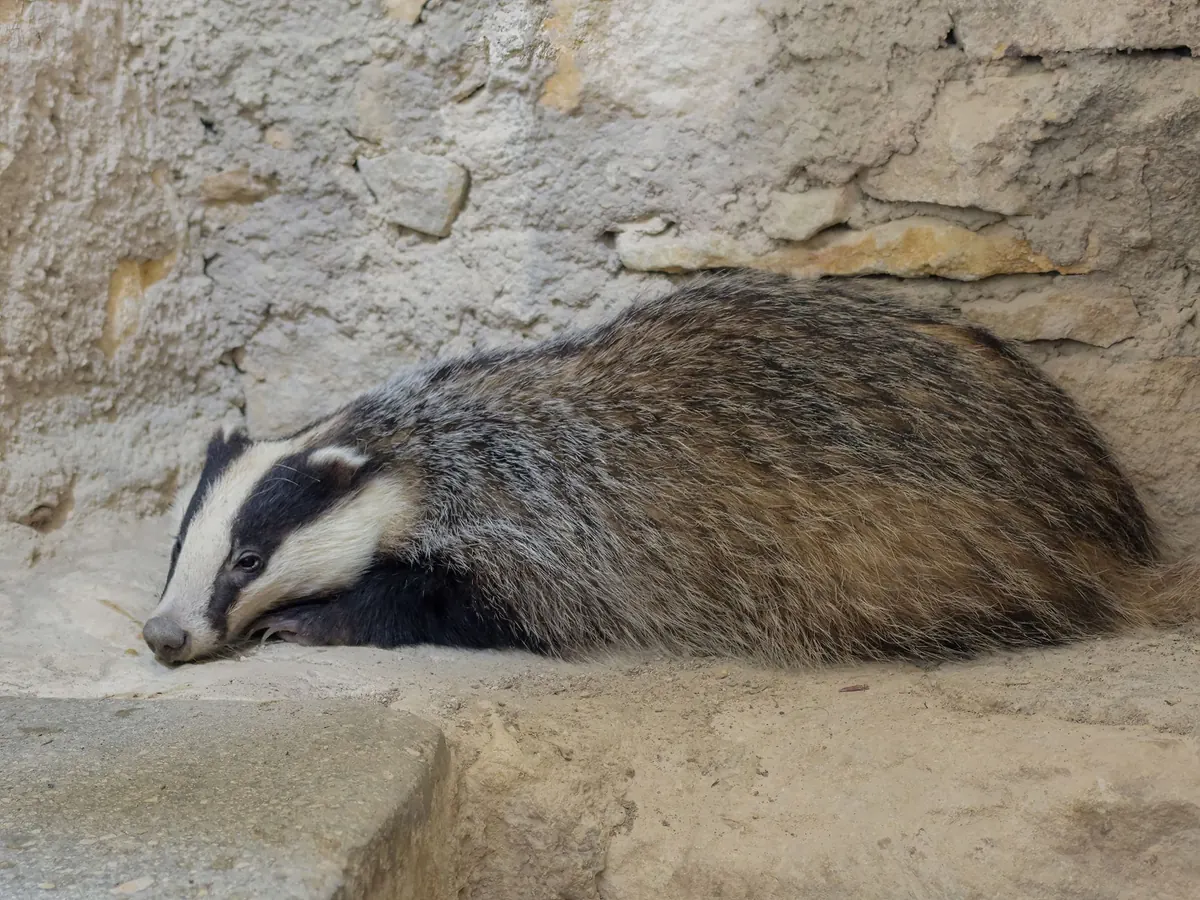
The British badger is the European badger, Meles meles, a member of the mustelid family alongside otters, stoats, weasels and pine martens. It is often described as our largest land carnivore, though that label says more about its ancestry than its dinner plate.
Built low and heavy, with a broad body, short legs and powerful forelimbs tipped with long, blunt claws, a badger is a digging machine first and a hunter a distant second. Adults are roughly the size of a sturdy dog: around 60 to 90 centimetres of body, plus a short tail. Weight swings noticeably through the year, so a lean spring badger can be a good deal lighter than the same animal in October.
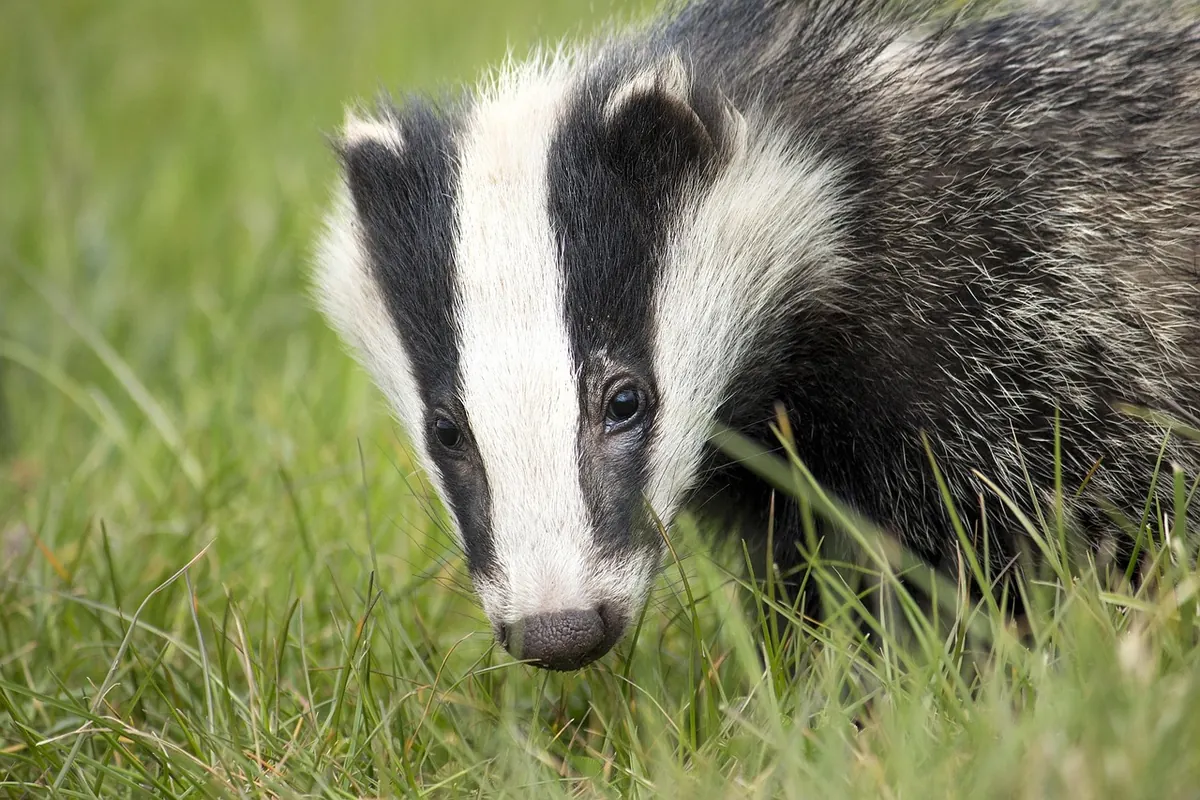
The face markings are famously variable — some badgers are almost entirely white, others carry a rufous or ginger cast. Eyesight is modest, hearing is sharp and smell is extraordinary. That last point matters: a badger usually knows you are there long before you know it is.
What badgers eat
Earthworms are the staple, and everything about badger behaviour bends towards finding them. Damp, mild nights on grazed pasture are ideal foraging conditions, which is why badgers are so strongly associated with farmland and old hedgerows. Beyond worms, they are unashamed opportunists:
- Earthworms, the mainstay of the diet for much of the year
- Beetles, grubs and other soil invertebrates
- Slugs and snails
- Wasps and their grubs, dug out of nests in banks and hedges
- Small mammals, young rabbits and the occasional bird's egg or nestling
- Fallen fruit, berries, acorns, cereals and maize
- Carrion, when they come across it
Badgers do not store food and they do not hibernate, so autumn is a hard-working season of eating. In genuinely hard weather they will take whatever is available, including scraps. If you feed badgers, keep it plain — a little fruit or unsalted peanuts is fine, milk and processed food are not, and feeding at a sett entrance encourages dependence and unnaturally close contact. It is usually better to leave them to their worms.
Clans, setts and social life
Badgers are sociable in a quiet, unhurried way. They live in clans: a group of adults, often related, sharing a territory and a home. Clan sizes vary widely, from a pair to a dozen or more animals depending on food, habitat and where in the country you are.
The sett
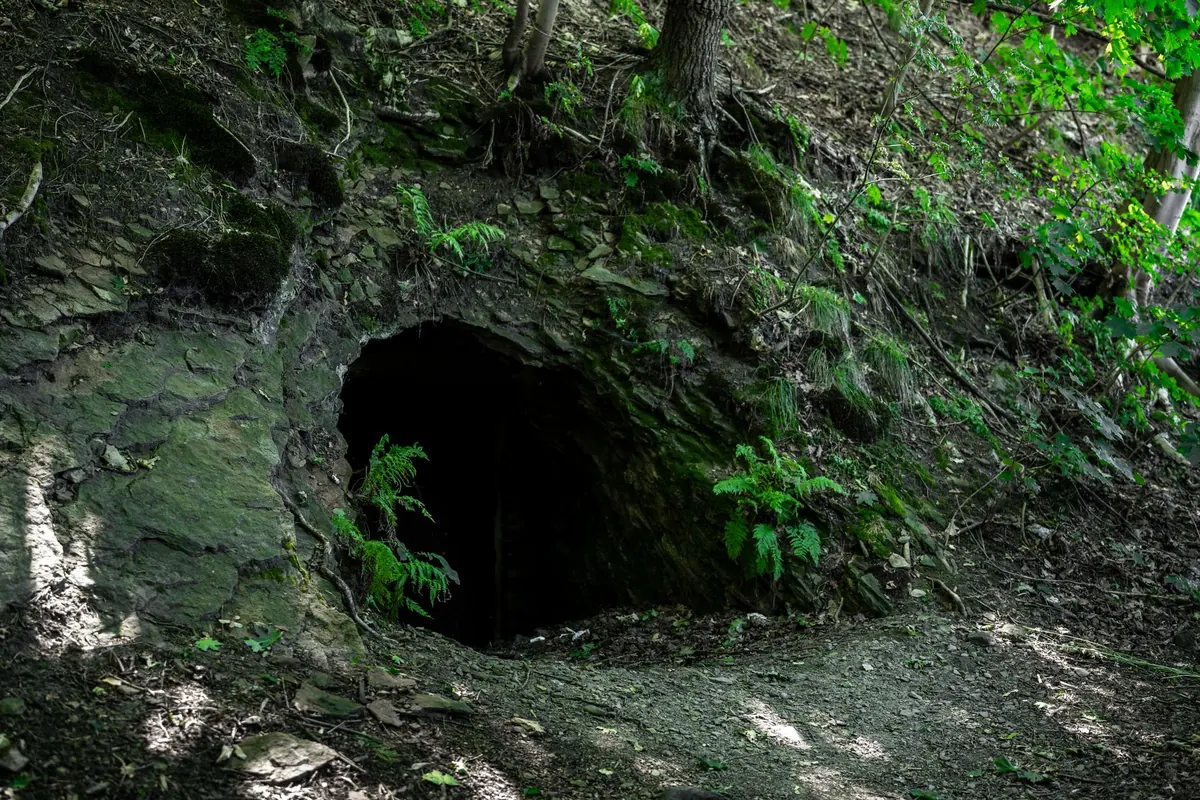
The sett is the heart of it — a network of tunnels and chambers dug into a bank or slope, with entrances marked by heaps of excavated soil. Badgers line the chambers with bedding: grass, bracken, leaves and moss, dragged in mouthful by mouthful and refreshed regularly, especially when cubs are due.
Surveyors recognise several kinds. A main sett is large, well used and occupied year-round, with plenty of entrances and fresh spoil. Annexe, subsidiary and outlier setts sit around it and are used less often. At territory boundaries you will often find latrines — shallow pits used repeatedly as dung heaps, which act as scent noticeboards. Badgers also scent-mark with a gland beneath the tail and groom one another to reinforce bonds.
How long badgers live
Life is tough for a young badger. Cubs are born underground in late winter, and a sizeable share do not reach their first birthday — wet weather and starvation take their toll, and roads and disease take more. Once through that first year, a badger has a reasonable chance of five to eight years, and the occasional individual reaches double figures. In the wild that is a long life. Body condition going into winter is what carries them through.
The badger year
Late winter: cubs are born
Mating peaks in spring and summer, but the fertilised egg does not implant straight away. It waits, sometimes for months, and only settles into the womb around the turn of the year. Cubs — usually one to five, commonly two or three — are then born in a bedding-lined chamber, blind and sparsely furred, in late January through March.
Spring: first trips above ground
By around April and May the cubs are appearing at the sett mouth, tumbling and play-fighting in daylight. Adults look thin and are moulting into a summer coat. Foraging pressure is high.
Summer: the busy months
Long daylight means you may see badgers before dusk, though they remain largely nocturnal. Bedding is collected with real enthusiasm, setts are maintained, and mating picks up again. This is the best season for patient watching.
Autumn and winter: fattening up, then slowing down
Autumn is about weight — fruit, grain and worms, eaten to build reserves. As frost hardens the ground, worming becomes difficult and badgers may stay below for several days at a time, living off fat. They are not hibernating, just conserving. Mild, wet nights will still bring them out.
Watching badgers without disturbing them
Badgers are creatures of habit, which is good news for a quiet observer. Try this:
- Scout the sett in daylight and choose a spot downwind, at least twenty metres back.
- Arrive well before dusk, settle in, and stay still and silent.
- Pick mild, damp evenings; they are far more active than in cold, dry weather.
- Use a red-filtered torch rather than a white one, and no flash.
- Never block an entrance, and never dig or interfere with the sett.
Settling in: a few ground rules
Badgers and their setts are protected in UK law under the Protection of Badgers Act 1992, which makes it an offence to kill, injure, take or cruelly ill-treat a badger, or to interfere with a sett. This is a general note and not legal advice — if you need to work near a sett, speak to the relevant statutory body first, such as Natural England, NatureScot or Natural Resources Wales.
If you suspect digging, baiting or sett interference, report it to the police on 101 or to the RSPCA. Keep dogs away from setts, and if you want to help the species, the most useful thing you can do is record what you see, join a local badger group, and support the rough grassland and hedgerows that produce the worms they depend on. Knowing the animal is the first step to speaking up for it.
Photo: Thomas P / Pexels
You Might Also Like
A practical, humane guide to fencing, gates, buried mesh and non-harmful deterrents that protect your garden boundary while respecting protected badgers.
Most badger cubs found alone are not orphaned. Here is how to tell when a cub genuinely needs help, why you should not handle it, and who to call.