How to Badger-Proof a Garden Boundary Humanely
Badgers are powerful, nocturnal and remarkably persistent. A determined one can shift a loose fence panel, squeeze under a gate and dig a fresh run overnight. That is frustrating when it happens to your lawn, vegetable bed or chicken run, but it is also a sign that you share your boundary with a protected wild animal. The aim is not to declare war on the badger. It is to make your garden boundary clear, sturdy and unrewarding, so the animal moves along its usual routes without damaging your patch. Do that well and you can protect the garden without traps, poisons or cruel deterrents.
Read the boundary before you buy anything
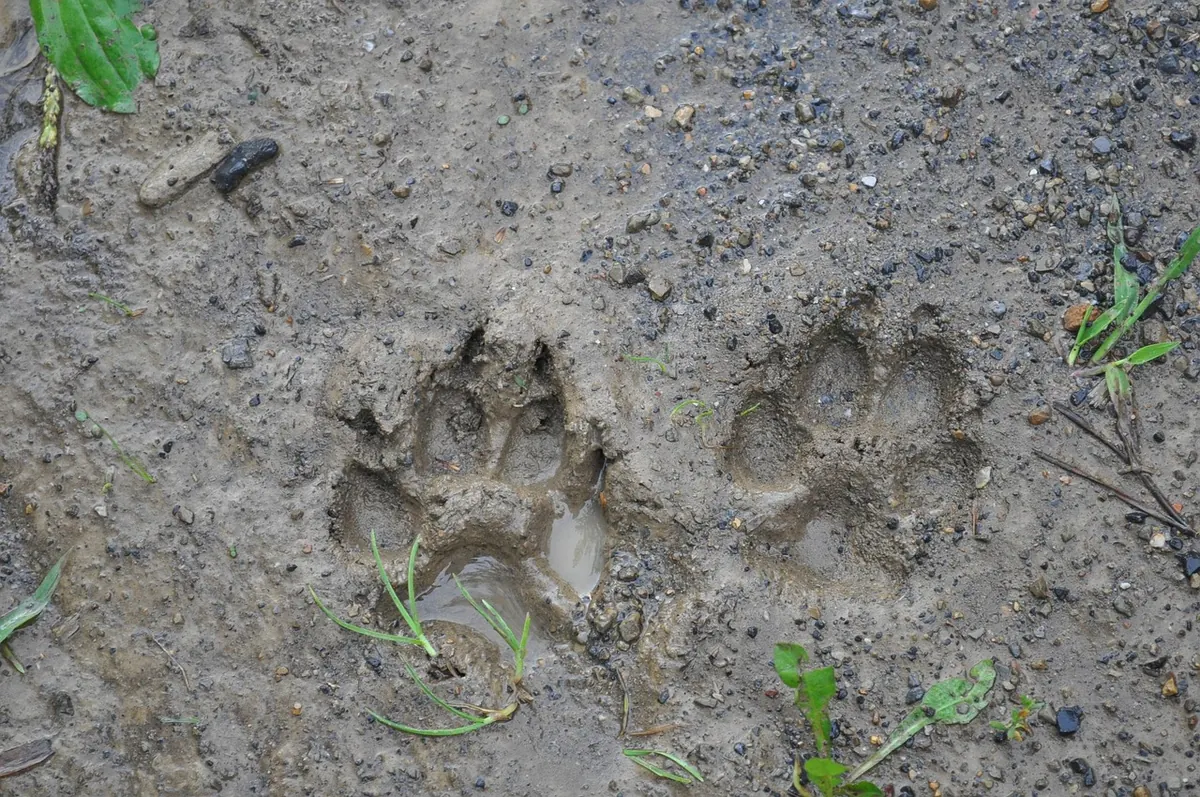
Badgers are creatures of habit. They tend to follow the same paths, often night after night. Before choosing a fence or a deterrent, spend a week or two learning where they cross. Look for worn runs in grass, muddy footprints, snuffle holes where they have rooted for worms and beetle larvae, and latrines at the edge of their territory. Hair caught on wire and claw marks on wood are useful clues too.
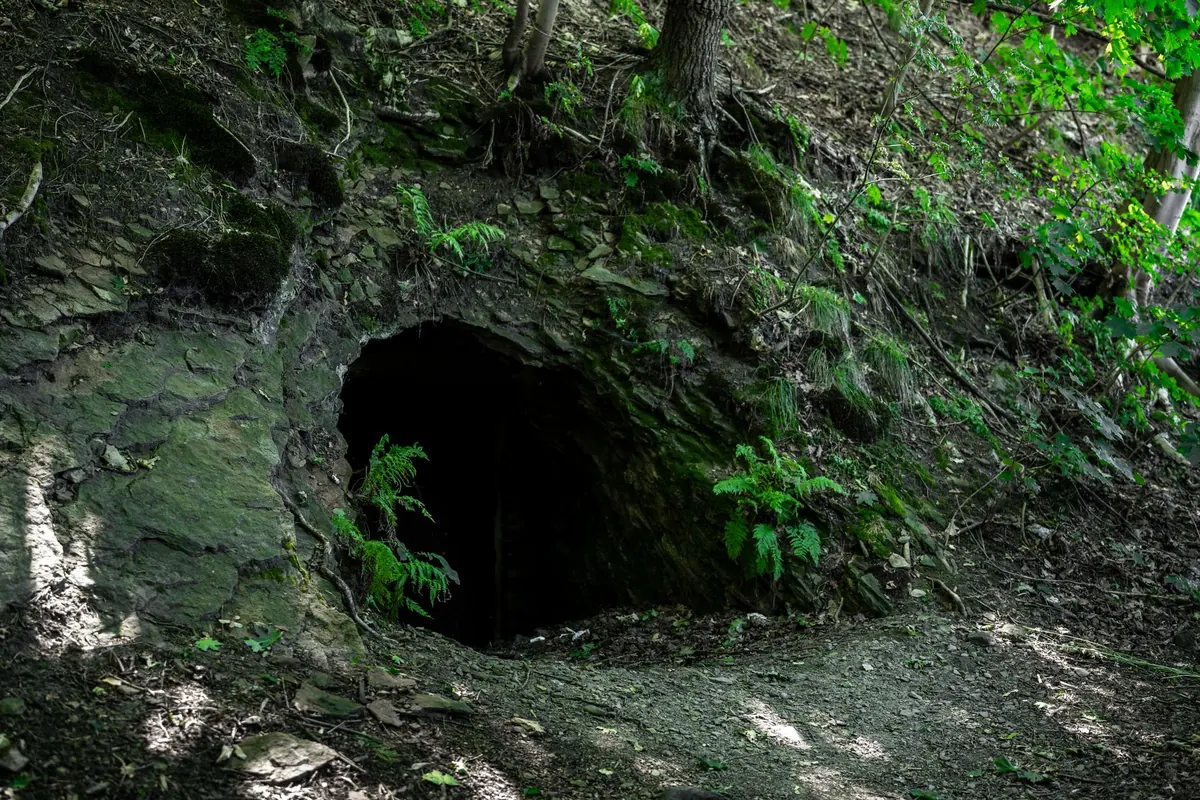
A trail camera is helpful, but you can learn a lot from a torch and a quiet evening. Check the base of gates, the corners of fences and any gap beside a shed or greenhouse. Badgers are strong; they will push at a weak point rather than climb over a good one. If you find a sett on or near your boundary, stop. In the UK, badgers and their setts are protected by law, and disturbing a sett can be an offence. Check current guidance for your part of the UK and take professional advice before any work begins.
What a humane badger barrier actually looks like
A badger-proof boundary is not just a tall fence. It is a barrier with a buried skirt. The above-ground part makes the boundary obvious and difficult to push through. The below-ground part stops the digging. Badgers usually dig at the base of an obstacle, not metres away from it, so an L-shaped footer is effective: the mesh runs down, then turns outward underground. When the badger starts to dig, it meets wire and gives up.
Use strong galvanised weld mesh rather than chicken wire, which is too flimsy. The mesh should be fixed tightly to sturdy posts, with no loose edges that can be peeled back. A height of around 1.2 metres is often enough if the fence has no footholds, but the exact specification depends on your soil and the local badger pressure. Avoid barbed wire at low level and never use sharp objects, broken glass or spikes. They cause injury and are not a humane solution.
Buried mesh: two methods that work
The trench and L-foot
Dig a trench along the fence line, roughly 30–45cm deep. Fix the mesh to the posts so the bottom of the roll sits in the trench, then bend the lower section outward away from your garden to create the L. Backfill firmly. The outward turn is the important part: it makes the badger dig into the mesh instead of under it.
The surface apron
If digging a deep trench is impractical, lay a wider apron of mesh flat on the ground along the fence base, peg it down, and cover it with soil or turf. This works well where tree roots or services make trenching difficult. The apron needs to be wide enough that a badger cannot simply start digging beyond its edge.
- Check for buried services, tree roots and boundary permissions before you dig.
- Mark the fence line and clear vegetation.
- Install posts first, then unroll the mesh and fix it tightly.
- Form the L-foot or lay the apron, overlapping joins by at least a few centimetres and wiring them together.
- Backfill, firm the soil and check that no gaps remain at corners.
- Recheck after storms, frost and any ground movement.
The exact depth and width will vary with your soil and the animals’ persistence. If badgers are already digging hard at one spot, ask a local wildlife trust or an experienced fence contractor for advice before you rebuild.
Gates, gaps and weak points
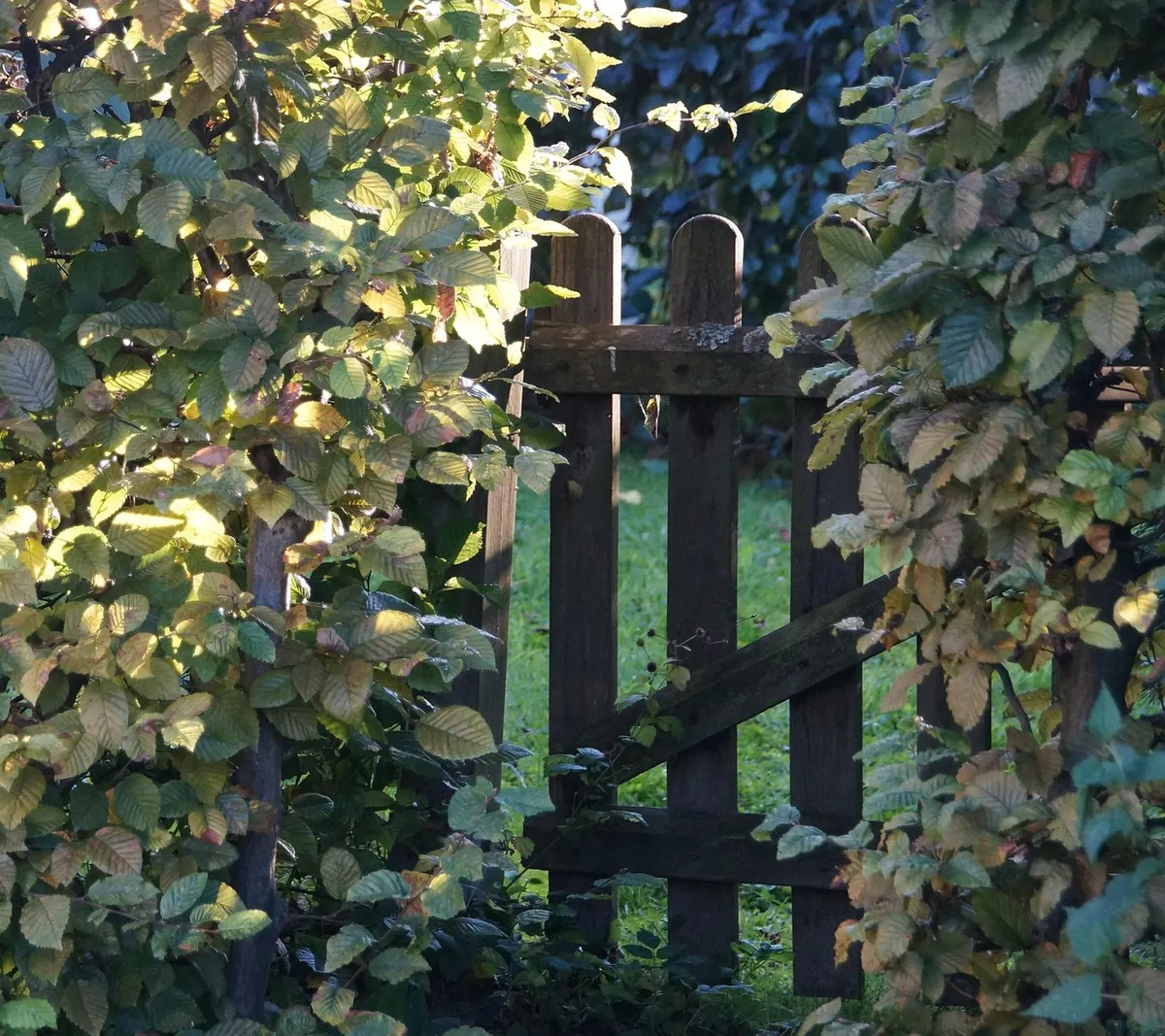
Most badger incursions happen at a gate. A gate that clears the ground by several centimetres is an invitation to dig, push or squeeze. Fit a solid gate that sits close to the ground, or add a rubber flap, brush strip or paving threshold beneath it. Check the side gaps where the gate meets the post. A return panel of mesh, buried in the same way as the fence, closes that corner neatly.
- Loose fence panels and broken rails
- Gaps beside sheds, greenhouses and log stores
- Drainage culverts and open pipes
- Soil piled against the fence, which creates a step
- Gate hinges and latches that can be pushed open
Walk the boundary after heavy rain. Badgers often exploit soft ground, and a small gap can become a main route within days.
Deterrents that are humane and actually useful
The most reliable deterrent is reducing what the badger wants. Secure bins with clips or straps, keep compost in a sealed bin rather than an open heap, bring pet food indoors at night, and clear fallen fruit. If you keep poultry, a secure run with a solid roof and buried mesh is far better than reliance on a repellent. Badgers are strong diggers, so the run needs the same underground protection as a boundary fence.
Motion-activated lights or sprinklers may startle a badger for a night or two, but they often become used to them. Ultrasonic devices are unreliable for badgers and can disturb pets, bats and other wildlife. Scent repellents vary in effectiveness and must never cause pain or injury; follow the label and avoid homemade mixes that contain chilli, bleach or sharp fragments. Electric fencing can be used humanely in some situations, but it must be installed correctly, checked regularly and kept away from setts. If you are considering it, seek specialist advice first.
If badgers are already causing damage
Work out what is attracting them. A lawn full of small holes usually means they are hunting worms and grubs; that is normal badger behaviour and hard to stop completely. A dug-up vegetable bed may be a one-off visit. A poultry run is a serious welfare risk and needs immediate, secure containment. If a sett is involved, do not block, dig or disturb it. Contact your local wildlife trust, the Badger Trust or a licensed ecological consultant for guidance. Never use poison, snares, gassing or any method that causes suffering.
A calm, practical routine
Start with observation, then remove attractants, then repair the weak points. A good fence with a buried L-foot, a close-fitting gate and no gaps will solve most garden boundary problems. Check it after storms, keep the base clear of soil and leaves, and resist the temptation to use quick fixes that harm wildlife. If badgers keep returning, treat that as information: something about your garden is still worth their time. Change that, and the boundary becomes a quiet, humane solution rather than a battlefield.
For anything involving a sett, legal protection or persistent damage, take advice from a qualified professional before you act. A little patience at the planning stage saves a great deal of digging later.
Photo: Monsterkoi / Pixabay

You Might Also Like
Most badger cubs found alone are not orphaned. Here is how to tell when a cub genuinely needs help, why you should not handle it, and who to call.
A practical guide to watching badgers responsibly at dusk and dawn, covering wind direction, red light, respectful distance and leaving no trace.