Found an Injured Badger? A Step-by-Step Rescue Checklist
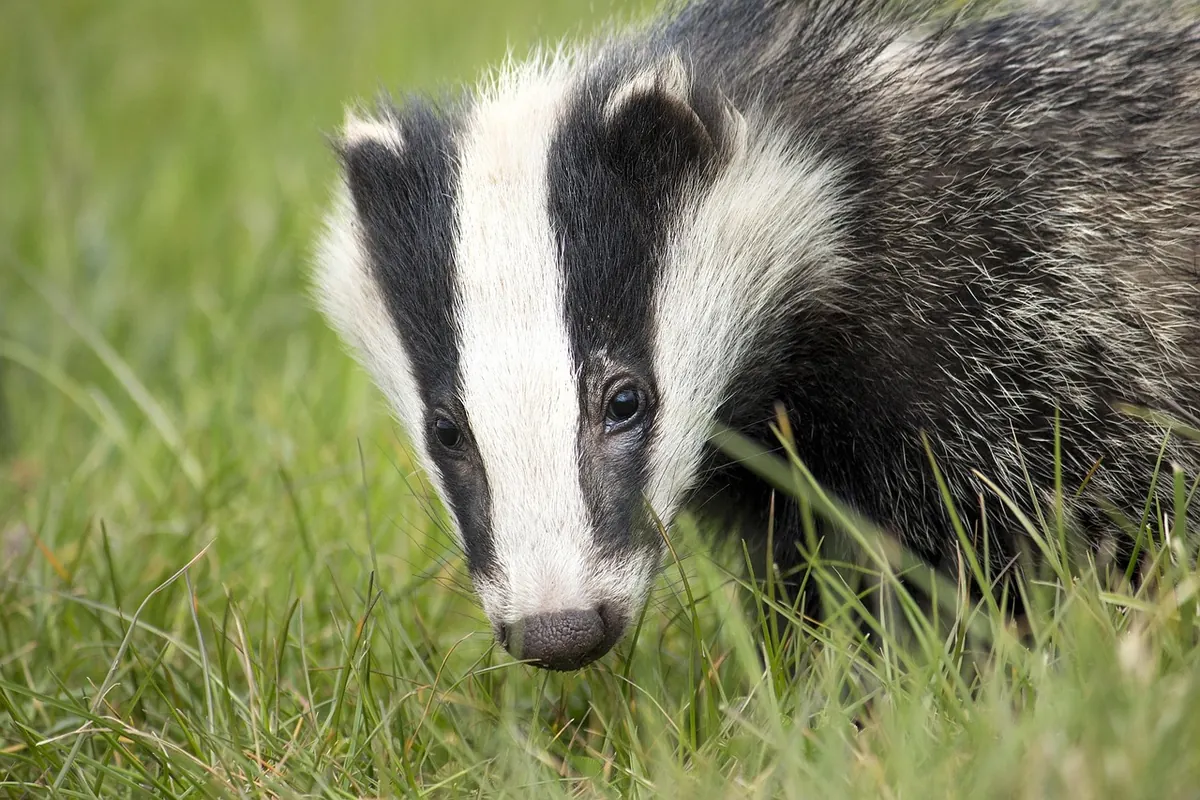
A badger on the road at dusk. A cub alone in the garden. An adult dragging a hind leg near a sett. The instinct to help is understandable, but badgers are strong, wild animals that protect themselves with a powerful bite. They are also protected by law, and the wrong kind of help can cause more harm than good.
This checklist is the order of operations to follow when you find an injured badger. It covers safe assessment, containment, transport and contacting a licensed badger rescue. Read it once now, so you know what to do if it ever happens.
Most importantly, remember that you are not trying to be a hero. You are trying to keep the badger, yourself and other road users safe until someone with the right training, equipment and licence can take over. A calm, careful first response can make the difference between a badger that reaches rehabilitation and one that dies from stress, injury or mishandling.
Assess from a safe distance
Stop where you are. Do not approach a conscious badger, even if it looks small or weak. An injured badger can still move quickly and bite hard. Keep children, dogs and other pets well back. If you are in a car, stay in the car if it is safe and use your phone to call for advice. If you are on foot, retreat to a safe distance and watch from behind a barrier if possible.
From a distance, note what you can see: Is the badger breathing? Is it standing, dragging a limb, or lying flat? Is there blood, a visible wound, or something caught around its neck or leg? Is it trapped in a fence, drain or building? Is it moving in circles, fitting, or unable to lift its head? These details will help the rescue team decide how urgent the situation is and what equipment they need.
If the badger is on a road, put your hazard lights on if it is safe to do so. Do not stand in traffic. If you have a warning triangle, use it only if you can place it without putting yourself at risk. If the badger is alive but in the carriageway, do not try to wave traffic around it while standing in the road. Call the police non-emergency number or local authority if the animal is causing a serious hazard, and call a wildlife rescue as soon as you can. If the badger is already dead, do not touch it; report it to the local council or a local badger group, who may want to record the location.
Know why badgers are different
Badgers are not like injured cats or dogs. They are powerful, low-slung animals with strong jaws and sharp claws. A badger that feels cornered or in pain may bite and not let go. Even a small cub can inflict a serious wound. For that reason, never pick up a badger with your bare hands, and never let a well-meaning bystander do so either.
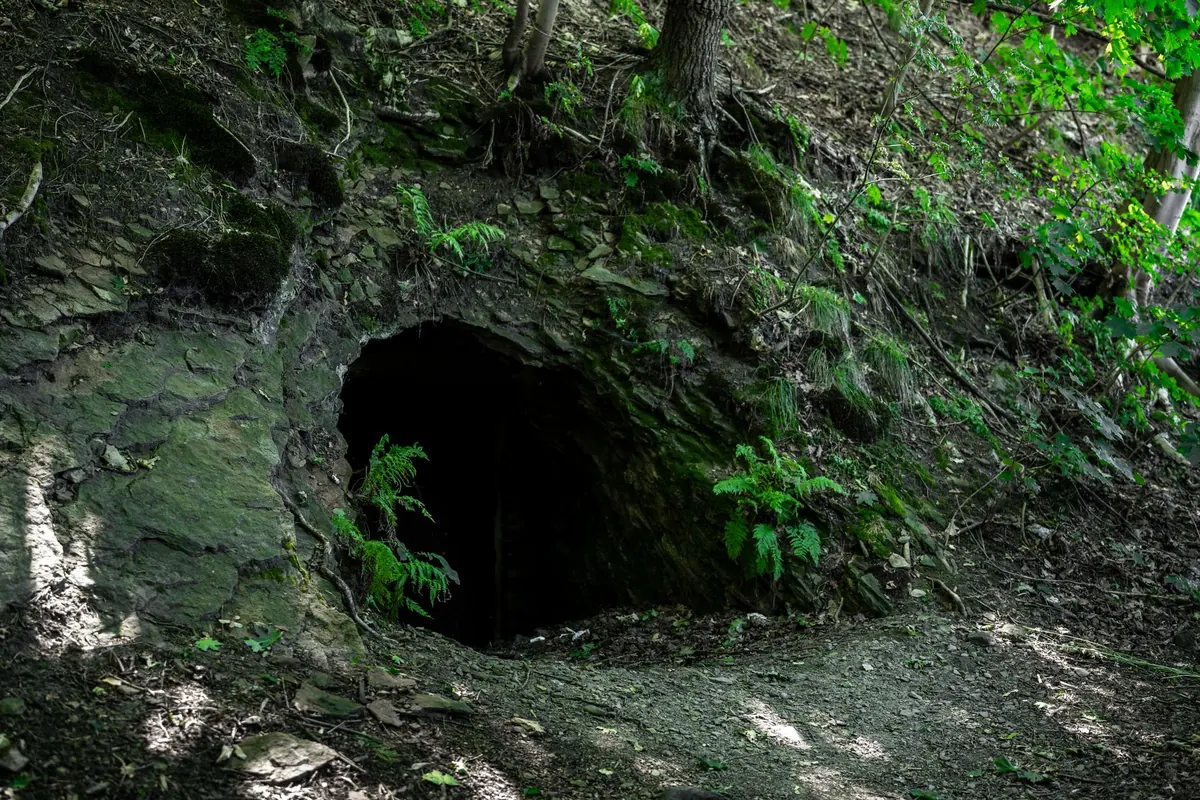
In the UK, badgers are protected by the Protection of Badgers Act 1992. It is an offence to injure, kill or take a badger, to cruelly ill-treat one, or to interfere with a sett. Similar protections exist in many other countries. Only a licensed rescuer, a vet or someone acting under professional advice should handle a badger. If you move or disturb one without advice, you may commit an offence and you may also make the animal's injuries worse.
Your job is to observe, report and keep the area safe. The rescue team's job is to handle and treat the badger.
There is also a disease risk to consider. Badgers can carry bovine tuberculosis and other infections. You do not need to panic, but you should avoid direct contact, keep any wounds covered, and wash your hands thoroughly if you accidentally touch the animal or its bedding. Disinfect footwear and clothing if they may have been contaminated.
Call the right people
Once you have assessed the situation from a safe distance, call for help. Search for a local badger rescue, wildlife hospital or licensed wildlife rehabilitator. In the UK, you can also contact the RSPCA, Scottish SPCA or USPCA, depending on where you are, as well as the Badger Trust or a local badger group. If the badger is on a road and causing a danger, call the police non-emergency number. In a genuine emergency where human life is at risk, call 999.
When you call, be ready to give clear information. Use the following list as a guide:
- Location: road name, nearest junction, postcode, what3words, or a map pin. Be as precise as possible.
- What you can see: adult or cub, size, whether it is moving, breathing, bleeding, trapped or dragging a limb.
- Hazards: traffic, dogs, children, water, steep ground, barbed wire or anything else that could affect a rescue.
- Your details: a phone number the rescue can call back, and whether you can stay nearby to guide them.
- What you have done: for example, "I have put my hazard lights on and moved behind the barrier" or "I have not approached the badger."
Do not be offended if the person on the phone asks you to wait and do nothing. That instruction is usually based on experience. Badgers can be difficult to catch, and a botched attempt can drive an injured animal into traffic or into a sett where it cannot be reached.
Containment and transport only if advised
Never attempt to catch, contain or transport a badger unless a licensed rescuer or vet has told you exactly what to do. If they do ask you to help, they will usually talk you through a safe method. In most cases, that means using a sturdy dog crate, cat carrier or thick cardboard box with good ventilation, and a large towel or blanket to block the badger's view.
Wear thick protective gloves, but do not assume gloves make you safe. Keep your face and arms away from the badger's mouth. Use a board, a carrier lid or a blanket as a shield rather than your hands. Do not scruff a badger, do not pick it up by the tail, and do not try to wrap it tightly. If the badger is mobile, do not chase it. A stressed badger may run into danger or bite when cornered.
If you are advised to contain the badger, keep the carrier dark, quiet and warm. Place it away from traffic and noise. Do not offer food or water unless the rescue team specifically tells you to. Do not give milk, human medicine or alcohol. Do not try to clean a wound, straighten a limb or remove anything embedded in the skin. Those actions can cause pain, shock and further injury.
Transport should also be left to the rescue team whenever possible. If you must drive the badger to a vet or wildlife hospital under instruction, secure the carrier so it cannot slide, keep the car quiet and cool, and do not open the carrier at any point. Call ahead so the vet knows you are coming and can prepare.
If the badger is trapped or a cub is alone
A badger trapped in a fence, drain, netting or building is a complex rescue. Do not cut wire or dismantle anything unless a rescuer tells you to. Keep people and pets away, and stay out of the badger's escape route. If it is safe, take a photo from a distance to send to the rescue team, but do not use a flash.
A cub alone in a garden may not be orphaned. The mother could be nearby, waiting for you to leave. Watch from inside or from a hidden position, and do not handle the cub. If the cub is clearly injured, crying continuously, cold, or has been alone for several hours, call a badger rescue for advice. They may ask you to monitor the area while they arrange a licensed response.
What not to do
- Do not approach a conscious badger, however small or still it seems.
- Do not handle it
Photo: FUHMariaM / Pixabay
You Might Also Like
A practical, humane guide to fencing, gates, buried mesh and non-harmful deterrents that protect your garden boundary while respecting protected badgers.
Most badger cubs found alone are not orphaned. Here is how to tell when a cub genuinely needs help, why you should not handle it, and who to call.