Common Mistakes in Badger Surveying and How to Avoid Them
Badger surveying looks simple from the outside: find the holes, count them, write it down. In practice, the same handful of mistakes shows up again and again, in the notes of volunteers and paid consultants alike. A sett logged in the wrong place can stall a planning application or send a digger into the wrong corner of a field. A survey carried out at the wrong time of year can miss a main sett that is very much in use. And a well-meant visit can put pressure on the animals it was supposed to help. None of these errors are difficult to fix once you know what to watch for.
Mistaking the wrong hole for a sett
Fox earths, rabbit warrens and old land drains all get written up as badger setts, usually by someone surveying in a hurry or working from a photograph rather than the ground.
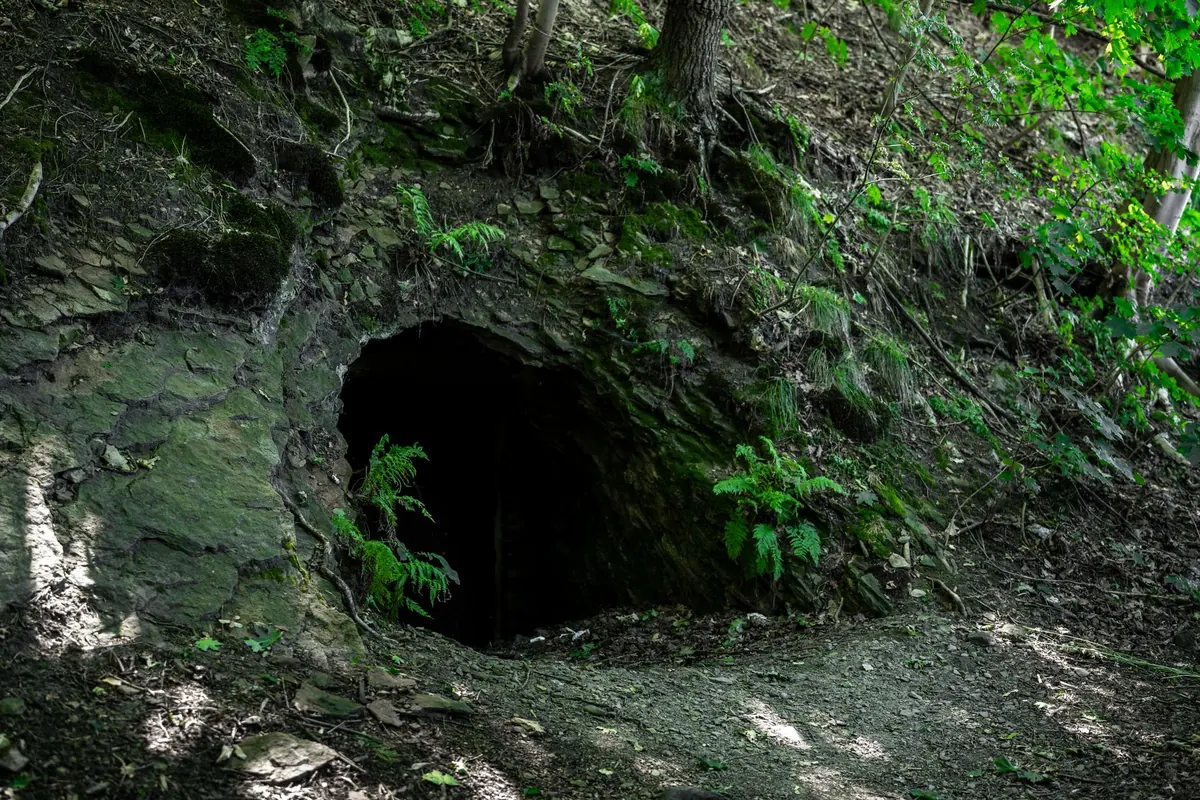
Badger entrances are typically larger than a fox earth and far larger than a rabbit hole, often wider than they are high, with a rounded, almost D-shaped profile. Look for the spoil: badgers shift serious amounts of soil, leaving a fan-shaped heap of fresh digging outside the entrance rather than the lighter scatter of a rabbit scrape. Well-worn paths run between entrances, often trodden pale and smooth, and there is usually a pungent, musky smell in the soil around an active hole.
Rabbit warrens give themselves away with pellets, small scrapes and narrow, bluntly round burrows. Fox earths tend to sit on a bank or beneath tree roots and are littered with feathers, bones or fur. Latrines — shallow scraped pits with dung deposited in them — are a strong clue, but several species use similar pits, so never identify a sett on latrines alone.
Check before you count
Entrances close together, linked by paths and shared spoil, usually belong to one sett. Holes well apart with no connecting runs generally do not, and lumping them together inflates your count and muddles the sett's classification. Walk the whole boundary of the area rather than the obvious footpath, and check under bramble, along hedge banks and behind fallen timber, which is exactly where setts hide.
Getting the timing wrong
Vegetation is the surveyor's enemy. From late spring through summer, nettles and brambles can conceal entrances completely, so you end up either missing setts or trampling habitat to find them. In much of Britain the clearest window is late winter and early spring, when cover is low and old spoil is still visible, though activity can dip during hard frost and you may find fewer fresh signs than you expect.
Think about what your visit is for. A quiet look from a distance is one thing; endoscopy, blocking, digging or anything that disturbs a tunnel is quite another, and belongs to licensed, experienced people. Breeding and cub-rearing periods deserve particular caution.
One visit is never a survey. A sett can look abandoned on a wet Tuesday in November and be busy a fortnight later, and a single daytime look tells you very little about how the animals are using it. Where the findings matter, spread visits across seasons and note activity each time. A short dusk watch, from a distance and upwind, is worth more than an hour of daytime staring.
Causing disturbance without meaning to
Most disturbance is accidental, and it adds up. Things to avoid:
- Standing on or just inside entrance mouths, which compacts soil and can collapse a tunnel.
- Shining a bright torch straight down a hole, particularly in the evening.
- Letting a dog off the lead to investigate.
- Producing a stick or a phone torch to see how far an entrance runs.
- Gathering a group of six above a sett for half an hour of discussion.
- Blocking holes with stones, sticks or trail cameras that effectively fence an entrance.
Keep numbers small, keep voices low, and approach so your scent does not blow straight into the sett. Repeated visits during hard weather, when badgers are already living on their reserves, are best avoided altogether.
Worth remembering too: badgers and their setts are legally protected across the UK, and interfering with a sett without a licence can be an offence. If your survey might inform work near a sett, check the requirements with the relevant statutory conservation body for your part of the UK and take professional advice before doing anything intrusive.
Record-keeping that lets the survey down
A survey is only as good as its notes. "Sett in north corner of field, some holes" is useless six months later, when someone else has to decide whether the badgers are still there and whether the sett is a main one.
A record that stands up usually contains:
- A grid reference or GPS point taken at each entrance, not from the gate.
- Date, time, weather and how long you were on site.
- Number of entrances and their condition — in use, partially blocked, disused.
- Your best judgement of sett type: main, annexe, subsidiary or outlier.
- Field signs and their locations: latrines, paths, hairs on wire, snuffle holes, fresh digging.
- Photographs with something for scale, labelled so you know which hole is which.
- Who surveyed, and what was not checked.
Write it up the same day
Memory blurs faster than most people believe. Sketch the sett, mark the entrances, and write your notes before you drive home. If several people are surveying the same site, agree one set of forms and one set of definitions. Consistency matters more than detail: if you classify setts one way in March and another way in June, the comparison is meaningless and any trend you think you have spotted is probably your own paperwork.
A short routine to get it right
- Sort permission and the legal position before you go, and check whether a licence is needed for anything you plan to do.
- Study maps and aerial photographs first, and note likely habitat: hedge banks, woodland edges, pasture next to dense cover.
- Choose your season — late winter and early spring for visibility — and plan repeat visits rather than one.
- Go quietly, in small numbers, with dogs left at home and torches used sparingly.
- Record everything on site, then write it up properly the same day.
None of this is glamorous work. It is slow, often cold, and mostly spent looking at soil. But good surveying is the foundation of every sensible decision made about badgers, from a hedgerow trim to a housing scheme, and the difference between a useful record and a misleading one usually comes down to a handful of habits like these.
Photo: congerdesign / Pixabay
You Might Also Like
A practical, humane guide to fencing, gates, buried mesh and non-harmful deterrents that protect your garden boundary while respecting protected badgers.
Most badger cubs found alone are not orphaned. Here is how to tell when a cub genuinely needs help, why you should not handle it, and who to call.